Why Home Health Care is Important for the Elderly
07 Jan, 2025 | By Taanish
Why Home Health Care is Important for the Elderly
With advancing age, senior citizens have to cope with health and associated problems some of which may be chronic, of a multiple nature, require constant attention and carry the risk of disability and consequent loss of autonomy. Some health problems, especially when accompanied by impaired functional capacity require long term management of illness and nursing care. In this blog, we’ll explore why home health care is crucial for the elderly, highlighting its benefits for the patients, their families, and healthcare professionals.
1. Personalized Care in Familiar Surroundings :
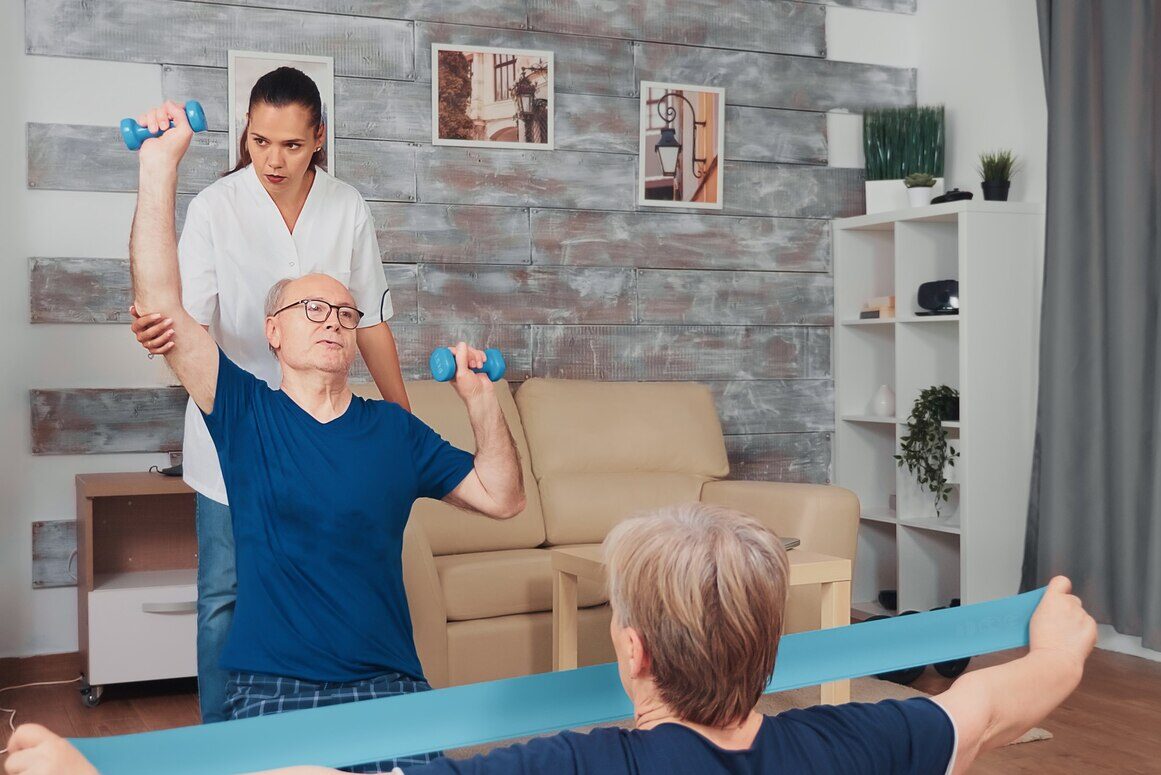
One of the primary reasons why home health care is important for the elderly is the ability to receive personalized care tailored to their specific needs. Whether it’s assistance with daily activities, medication management, or managing a chronic illness, home care allows elderly individuals to receive care that aligns with their unique situation. Importantly, this care is provided in the comfort and familiarity of their own home, which can have a significant impact on their emotional well-being.Familiar surroundings helps elderly individuals feel secure and less anxious, and contributes to faster recovery and overall happiness. Hospitals, on the other hand, can often be intimidating and uncomfortable, which may negatively affect a senior’s mental health.
2. Reduced Risk of Infections :
Continued hospitalisations expose elderly individuals to a higher risk of infections, such as hospital-acquired infections (HAIs). These infections can complicate the recovery process and sometimes result in more serious health issues. By opting for home health care, the elderly can avoid this risk. At home, the cleanliness and other safety precautions can be minutely monitored vis a vis that of a hospital. This is especially crucial for elderly patients who may already have weakened immune systems due to age or existing health conditions.
3. Cost-Effective Alternative :
Financial burden of prolonged hospital stay can be Prohibitive.. Hospitalization can result in high medical bills, especially if extended care is required. Home health care offers a more affordable alternative, as patients can receive the same level of care without the added costs associated with staying in a hospital. This facilitates allowing families to manage their healthcare expenses more effectively. For seniors who don’t require constant monitoring in a hospital, home health care can provide significant financial savings while ensuring that they continue to receive the care they need.
4. Emotional Support for the Patient :
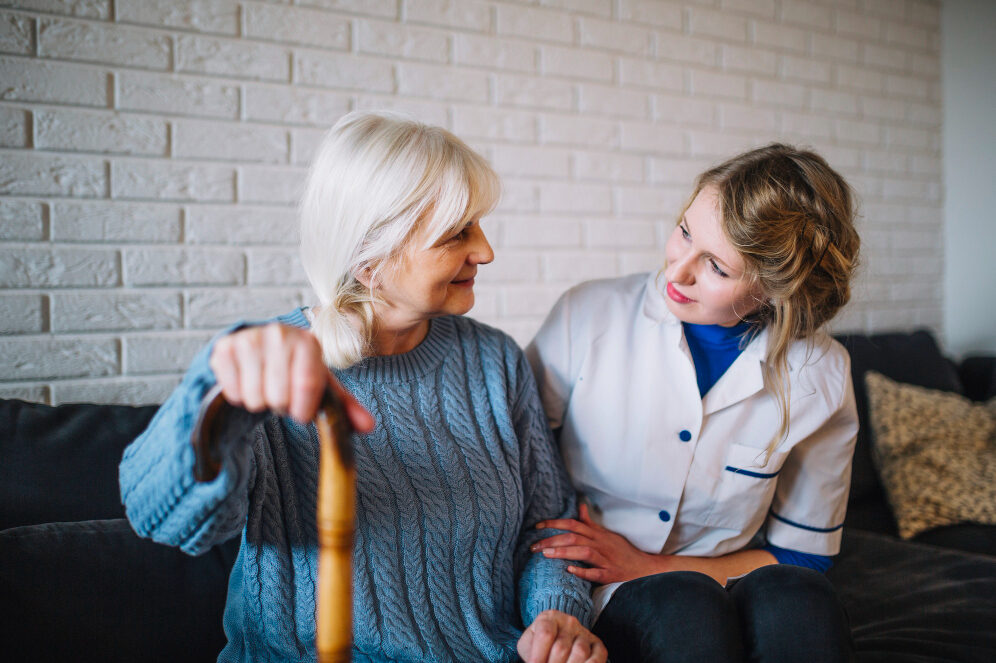
Home health care not only addresses physical needs but also provides crucial emotional support. Elderly patients who are recovering from surgery, illness, or managing chronic conditions often experience feelings of isolation, sadness, or anxiety. Having your own kith and kin next you to offer companionship, listen to concerns, and provide emotional reassurance can significantly improve the mental well-being of the patient. This emotional connection can speed up recovery by reducing stress levels and promoting a sense of comfort and stability.
5. Limited visiting Hours :
One key benefit for home care is the flexibility in visiting hours. Unlike hospitals, which may have strict visiting times, home health care allows loved ones to visit at their convenience. This flexibility can make it easier for family members to stay involved in the care process . Having care provided at home also reduces the burden on family members, allowing them to balance caregiving responsibilities with other obligations. This support enables families to maintain their own health and well-being while caring for their elderly relatives.
6. Better Continuity of Care :
When elderly individuals transition from hospital care to home health care, the continuity of care remains intact. Doctors and healthcare providers can work closely with home health care professionals to ensure that the treatment plan is followed and adjusted as needed. This seamless transition improves the patient’s chances of recovery and helps prevent complications that could arise from discontinuing care.
Conclusion :
Home health care plays a crucial role in enhancing the lives of elderly individuals who require medical attention, personal assistance, or emotional support. It offers personalized, high-quality care in the comfort of one’s own home, reducing the risk of infections, lowering healthcare costs, and promoting overall well-being. By providing a safer, more comfortable environment for recovery, home health care allows seniors to age with dignity and independence, surrounded by the love and support of family and friends.